
Lots of insanely good choices in 2018.
After giving it some thought, here are my favorite songs of the year.
https://open.spotify.com/embed/user/mdnhead/playlist/19l28AGdyuMxvLdHXj6IQe
Lots of insanely good choices in 2018.
After giving it some thought, here are my favorite songs of the year.
https://open.spotify.com/embed/user/mdnhead/playlist/19l28AGdyuMxvLdHXj6IQe
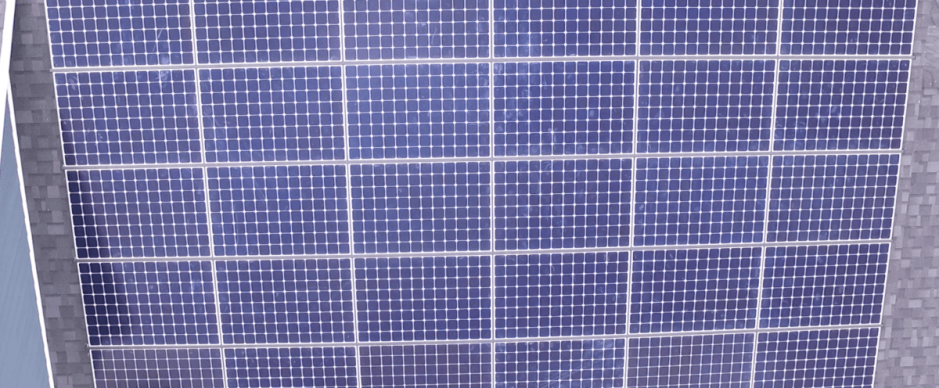
Installation Date : Aug 21, 2018
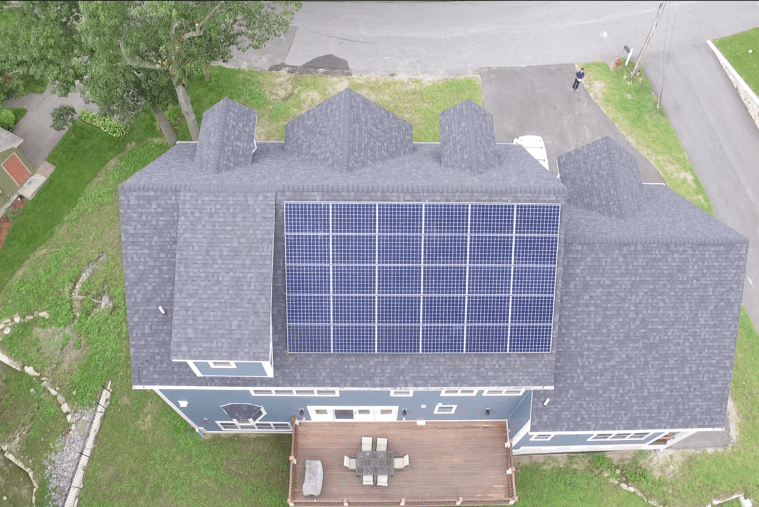
Site Specs : Roof tilt : 37 deg Azimuth: 257 deg Covered Solar cell area : 527.1 Sq Ft Total system weight : 1,348 LBS Grid-tied, Net-metered to Utility grid.
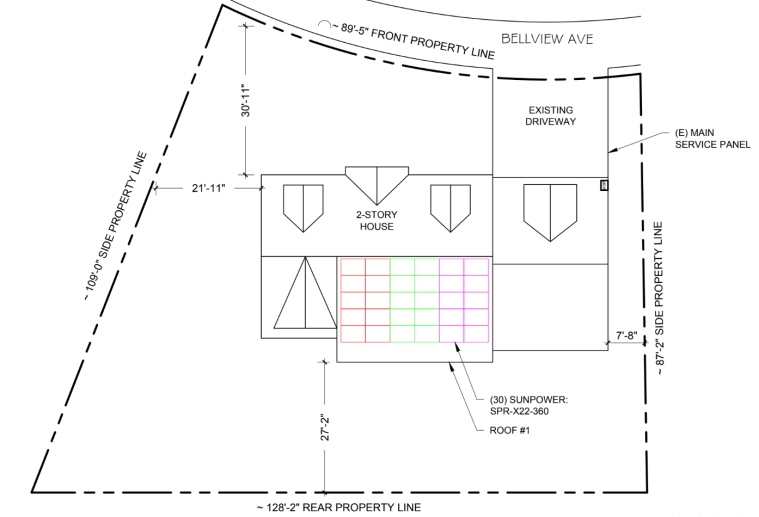
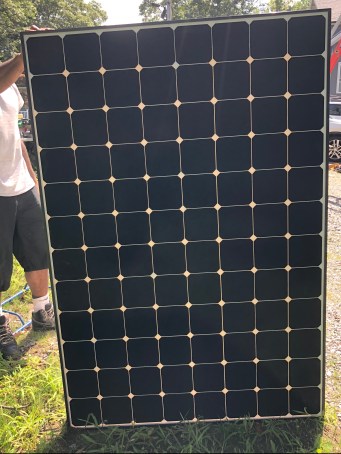
System Specs : Solar Cells : Sunpower SPR-X22 Panels 360W each 41 LBS each Dimensions : 61.4″x41.2″x1.8″ (Super thin) Avg Panel Efficiency : 22.2% (Highest rated efficiency in residential solar panels)
Inverter : SolarEdge SE10000A (10.8KW Inverter) Max DC Voltage : 500V Max Output Current : 100A
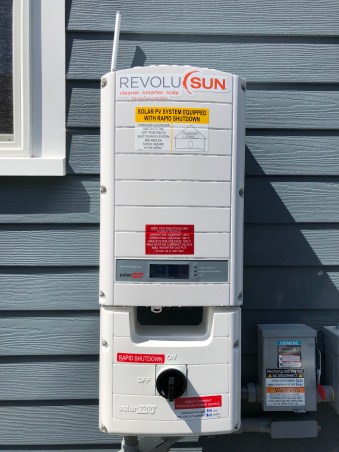
Installed View :
Return on Investment :
Tax Credit :
The federal solar tax credit, also known as the investment tax credit (ITC), allows you to deduct 30 percent of the cost of installing a solar energy system from your federal taxes. The ITC applies to both residential and commercial systems, and there is no cap on its value. We would claim this on 2018 Taxes via IRS Form 5695. (NOTE: The allowable credit starts decreasing for systems installed after 2020. By 2022 it is only 10%)
SRECs :
Utility companies are subject to a regulation (RPS) that requires them to produce a specific % of their energy from renewables. Many states have a solar carve-out, which requires that a minimum percentage of electricity sales in that state come specifically from solar power.
This is where SRECs (Solar Renewable Energy Certificates) come in. SRECs are used to account for solar electricity production. To meet their RPS requirements, electricity providers obtain certificates (SRECs) which serve as proof that they have either produced renewable electricity themselves or paid someone who is producing renewable electricity for the right to “count” that electricity themselves.
A homeowner who produces solar energy can sell these certificates to their utility company. They will earn one SREC for every 1000 kilowatt hours (kWhs) produced by their solar panel system. Each SREC is worth about $350 in Massachusetts (2018).
Reduction in Utility Consumption :
House Move-in date : July 27, 2018.
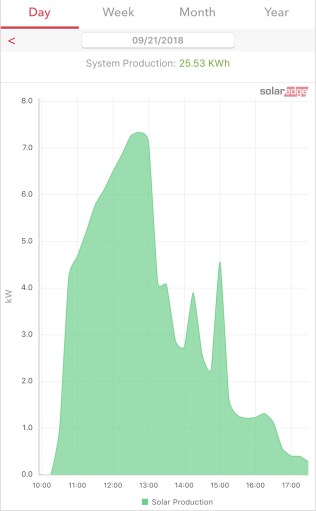
System Turn-On Date : Sep 21, 2018.
Electricity Usage :
July (7/08 – 8/08) : 454 kWh (Pre-move in)
August (8/08 – 9/10) : 2071 kWh (post-move in, no Solar yet)
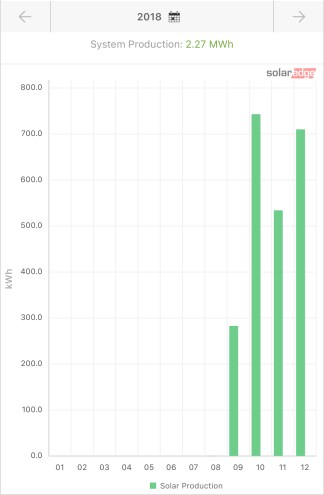
September (9/10 – 10/9) : 794 kWh (Solar installed 9/21)
October (10/9 – 11/8) : 689 kWh
November (11/8 – 12/10) : 775 kWh
System Performance :
Day 1 :
2018 End of year :

Here’s a recording of Temple of the King by Rainbow. Arman on drums, me on Guitars, bass, and vocals.
Here’s an original piece called God Machine. Me on Guitar and Bass, and Arman killing it on drums.
https://soundcloud.com/skarmic/god-machine
Listen for the nod to Dream Theater’s Ytse Jam, and also the theme from The Simpsons.
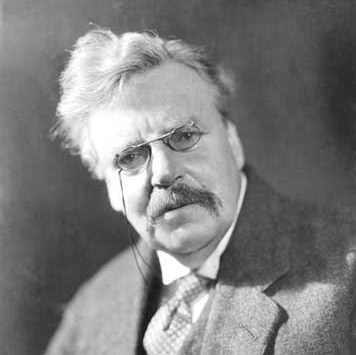
This is a cover of Revelations by Iron Maiden. I played the drums, both Adrian and Dave’s guitar parts, bass and (sadly) vocals as well. Clearly the vocals are outside my range, but here it is nonetheless – Revelations.
https://soundcloud.com/skarmic/revelations
By the way the featured image on this post is of English poet G.K. Chesterton, whose hymn Revelations provided the inspiration for, and some of the lyrics to, this song.
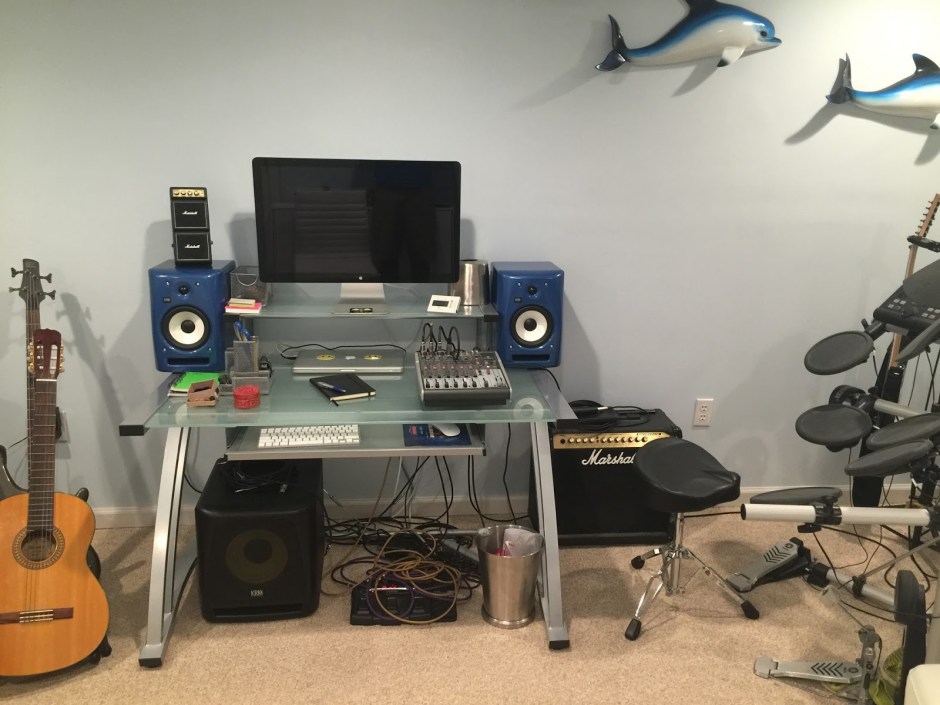
Pre/Mixing – Behringer Xenyx 1204USB
Studio Monitors – KRK Rokit 6 G2
Guitar Effects – Line6 Floor Pod
Amp – Marshall VS65R (only used for Live practice)
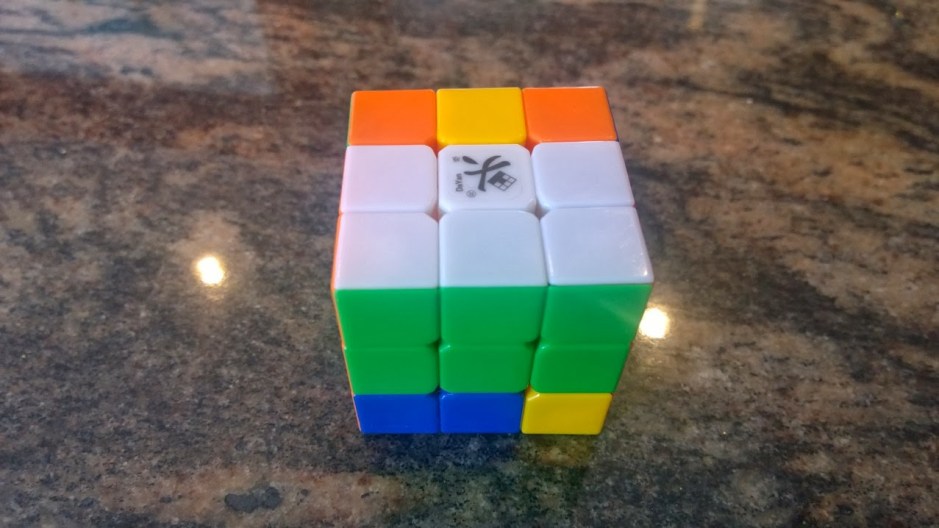
We have been getting into cubing lately.
The DaYan cube is great, as far as speed cubes go (you can get it on Amazon) :
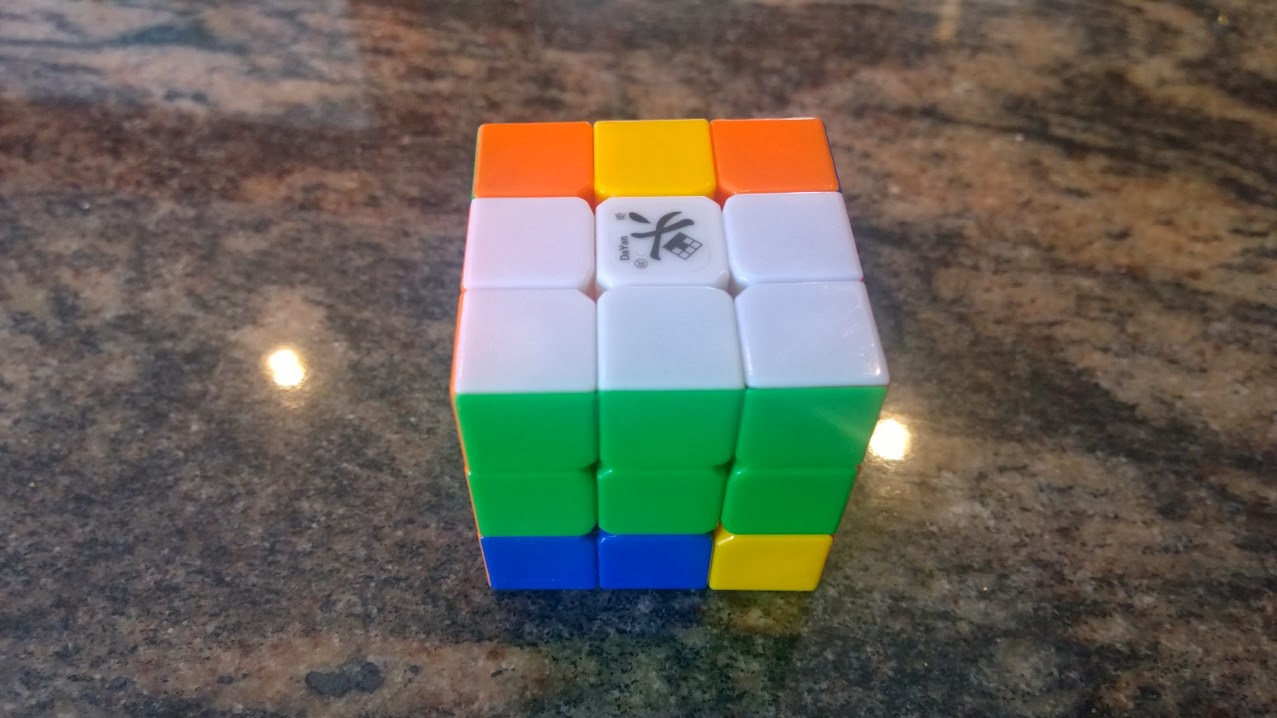
I can remember the top (white) layer and middle layer solutions fairly easily, but start to reach stack overflow when it comes to the final (yellow in this case) layer.
So I’ve written down the final (yellow) layer solution below as reference :
Getting the cross :
If you have :
__|_x|__ __|_ |__
_x|_x|__ OR _ |_x|__
| | | |
Then do : FUR U’R’F’
If you have :
__|_ |__
_x|_x|_x
| |
Then do: FRU R’U’F’
Getting the Yellow Corner Tops :
Orientation if you have 1 corner yellow :
__|_x|__
_x|_x|_x
Y| x|
Orientation if you have field goals to the left (and not 1 corner yellow):
|\
| \
\Y|\
\| \
\ |\
\|Y\____\___\___\
\ | | | |
\|____|___|___|
Orientation if you have 0 or >1 corner yellow :
|\
| \
\ |\
\| \
\ |\
\| \____\___\___\
\ | Y | | |
\|____|___|___|
OR :
|\
| \
\ |\
\| \
\ |\
\|Y\____\___\___\
\ | | | |
\|____|___|___|
Then do this algorithm : RU R’U RU UR’
Getting the field goals :
Rotate U to get a solid face, or a field goal face, and move it to the back.
Do this sequence : R’F R’B BRF’ R’B BRRU’
Until you get all field goals, color match of field goals not important.
Getting the final edge pieces :
To rotate an edge piece clockwise do :
FFULR’
FFL’R
UFF
To rotate an edge piece counterclockwise do:
FFU’LR’
FFL’R
U’FF
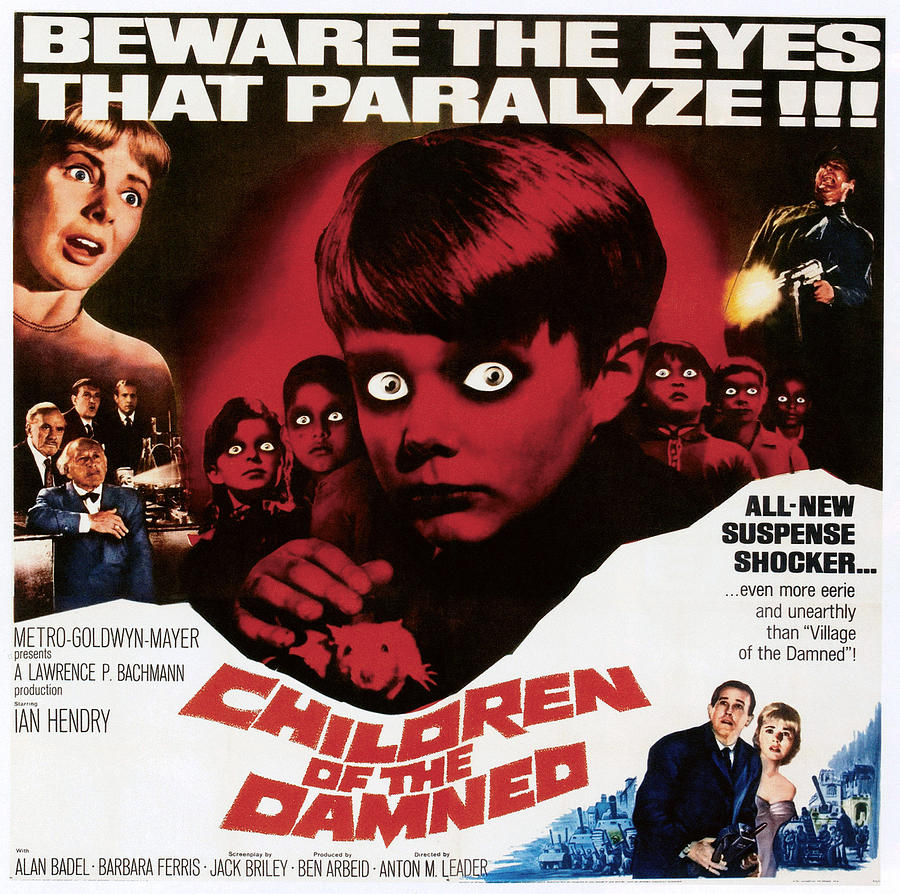
Here’s part of Children of the Damned by Iron Maiden. Drums, clean guitars, and guitar harmonies.

Mark Till, one of the volunteers we worked with during our week in the DR, is an amateur documentarian, and created a video of it (in 2 parts) :
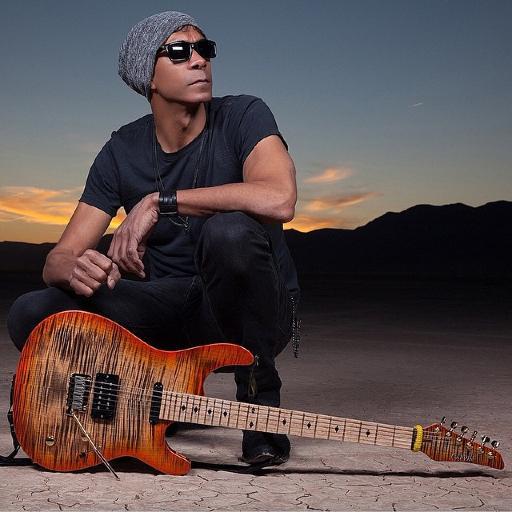
This is a cover of “The Portait”, by Greg Howe. A song I wish I had written.
I played it on a classical guitar, and it’s recorded using GarageBand on the iPad with a touch of reverb. Straight mic input as before.
I did 3 takes, and edited together the best of those into the final track. Getting the volume dynamics even across the takes was more difficult than I would have expected. Would have been much easier if I was good enough to just play this straight through in a single take.
 Team Karim